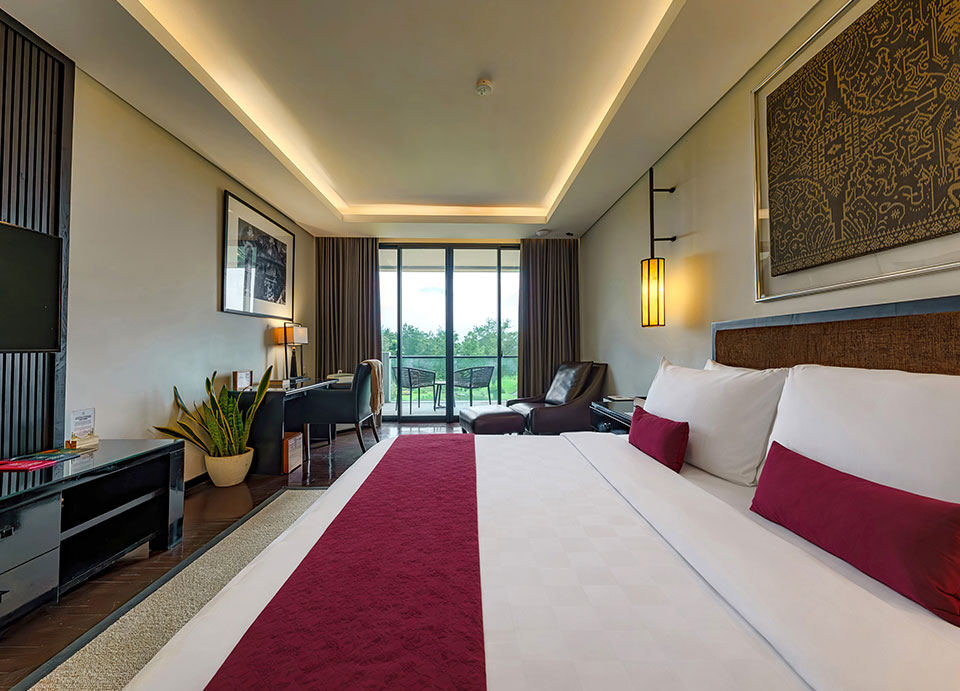
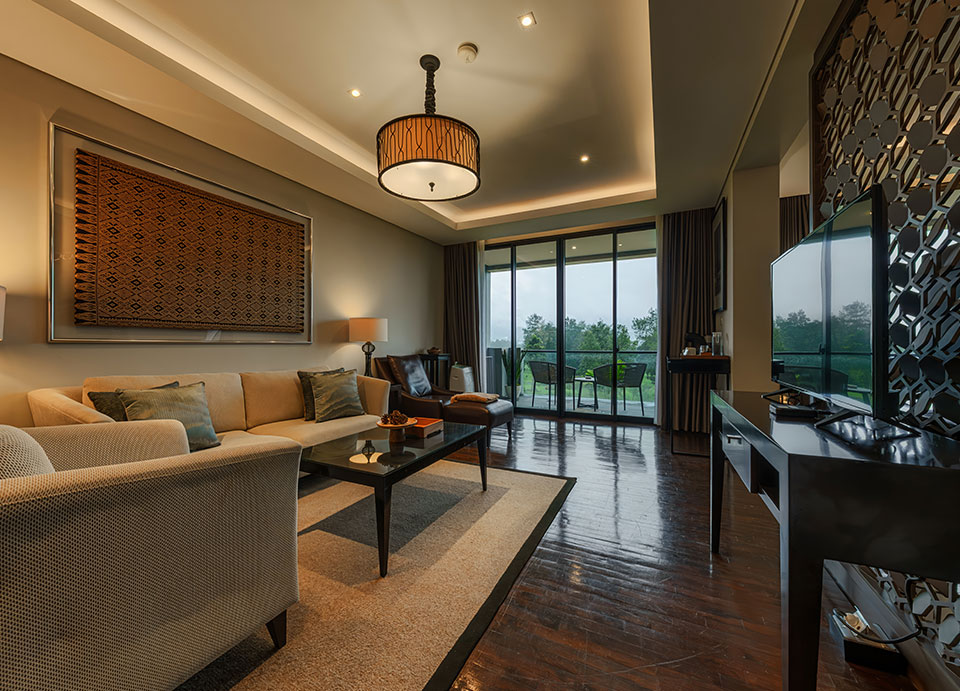
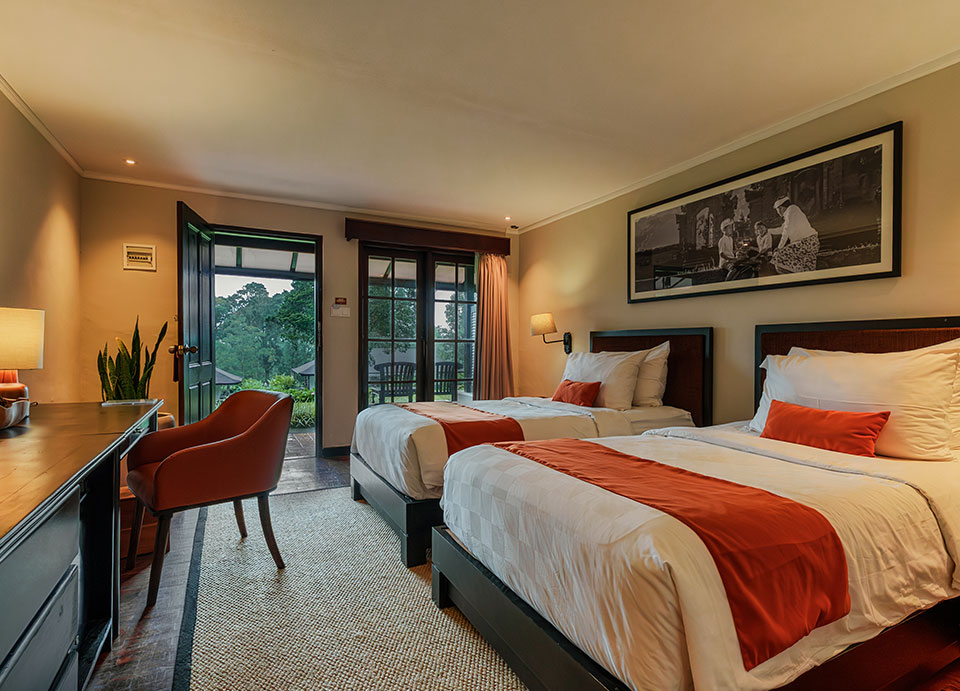
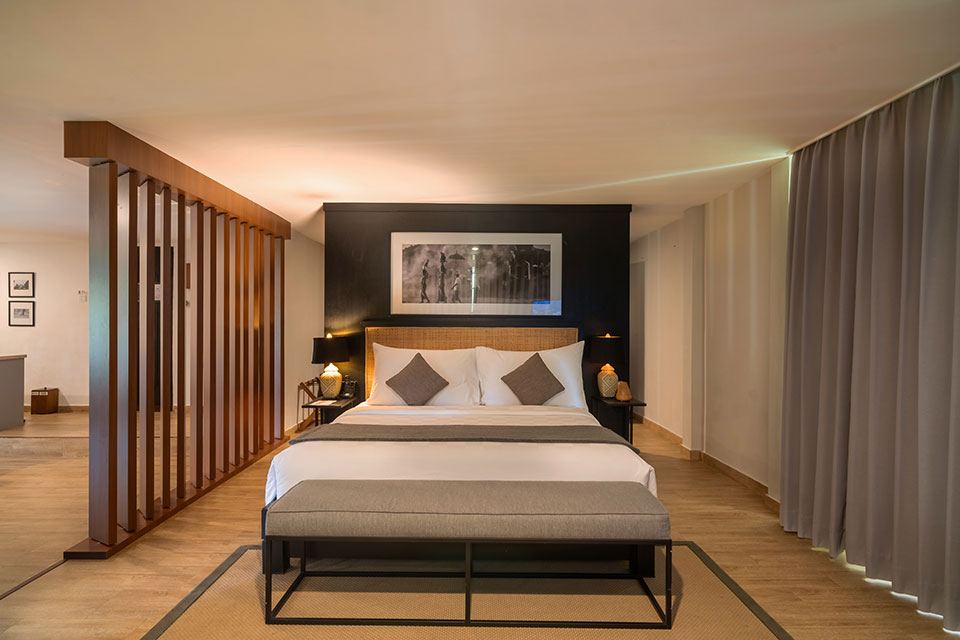
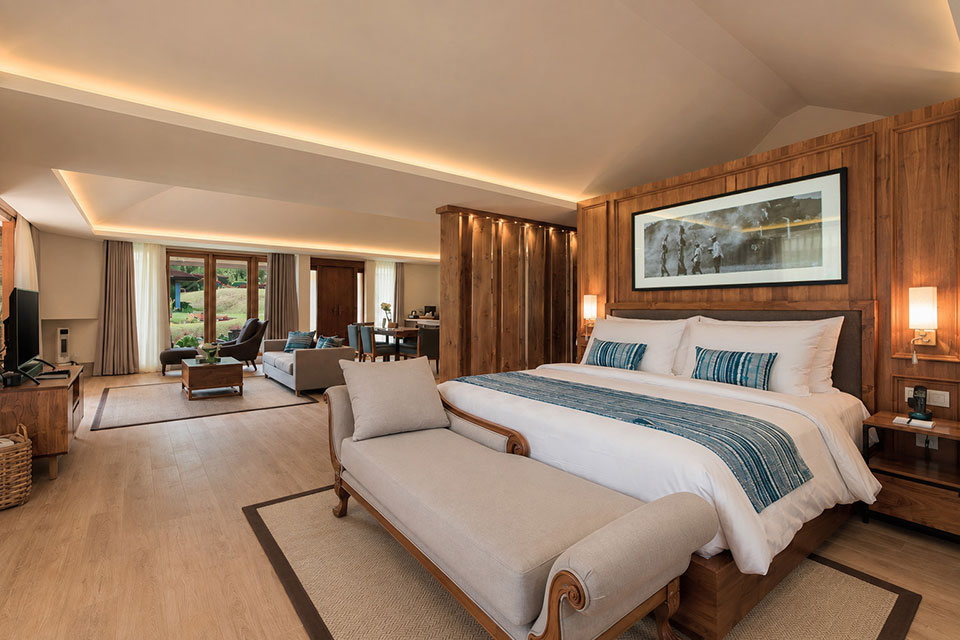


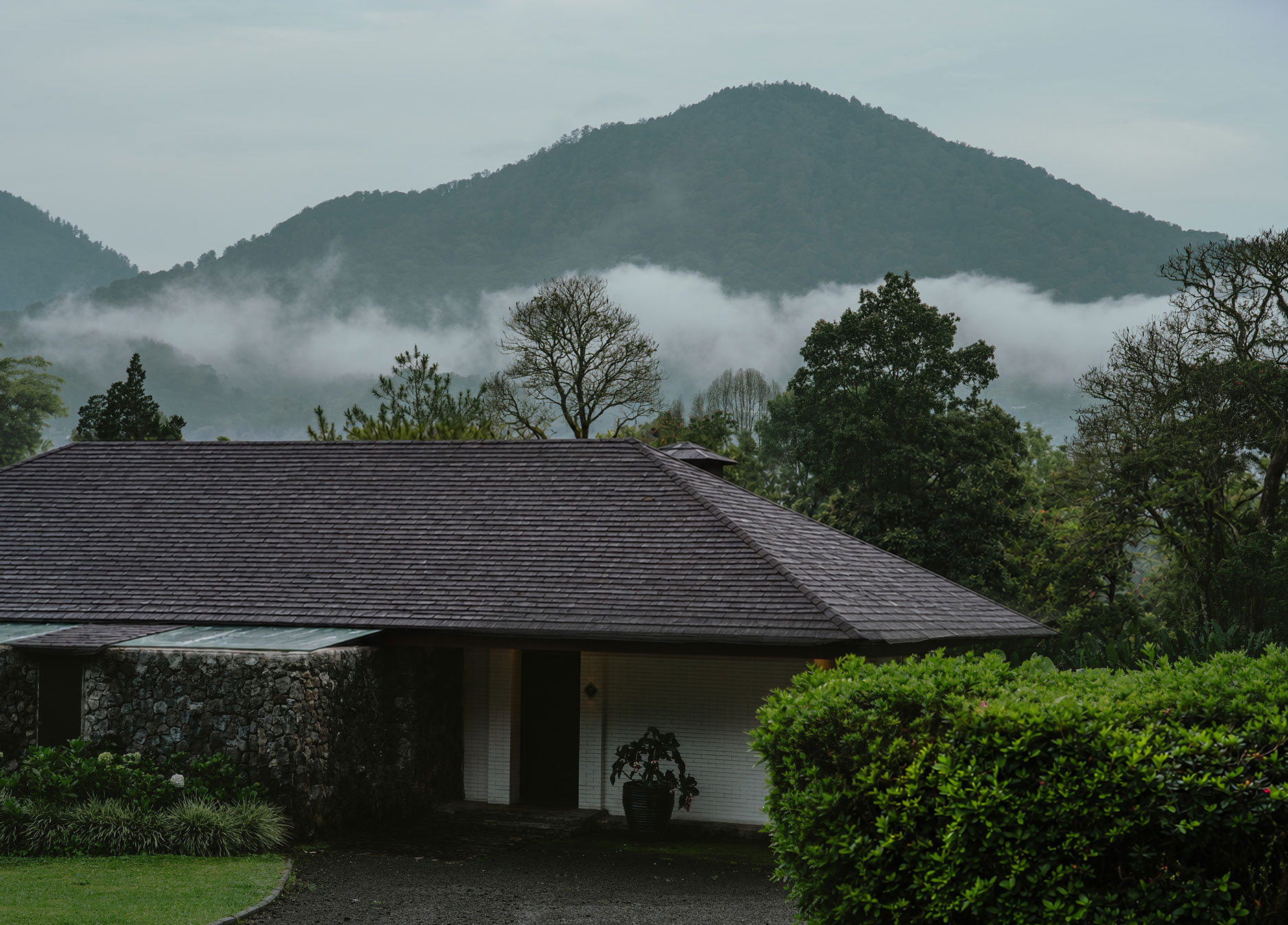
Most visitors picture Bali as beaches, surf breaks, and heat that settles into your skin by mid-morning. Bedugul, the highland region surrounding Handara, is the island’s quieter answer to all of that: a region of crater lakes, working rice terraces, and mountain air cool enough to need a light jacket in the evening. If south Bali is where most travelers start, Bedugul is often where the trip becomes memorable. Here’s what to know before making the drive north.
Where Bedugul Actually Is, and Why the Climate Is Different
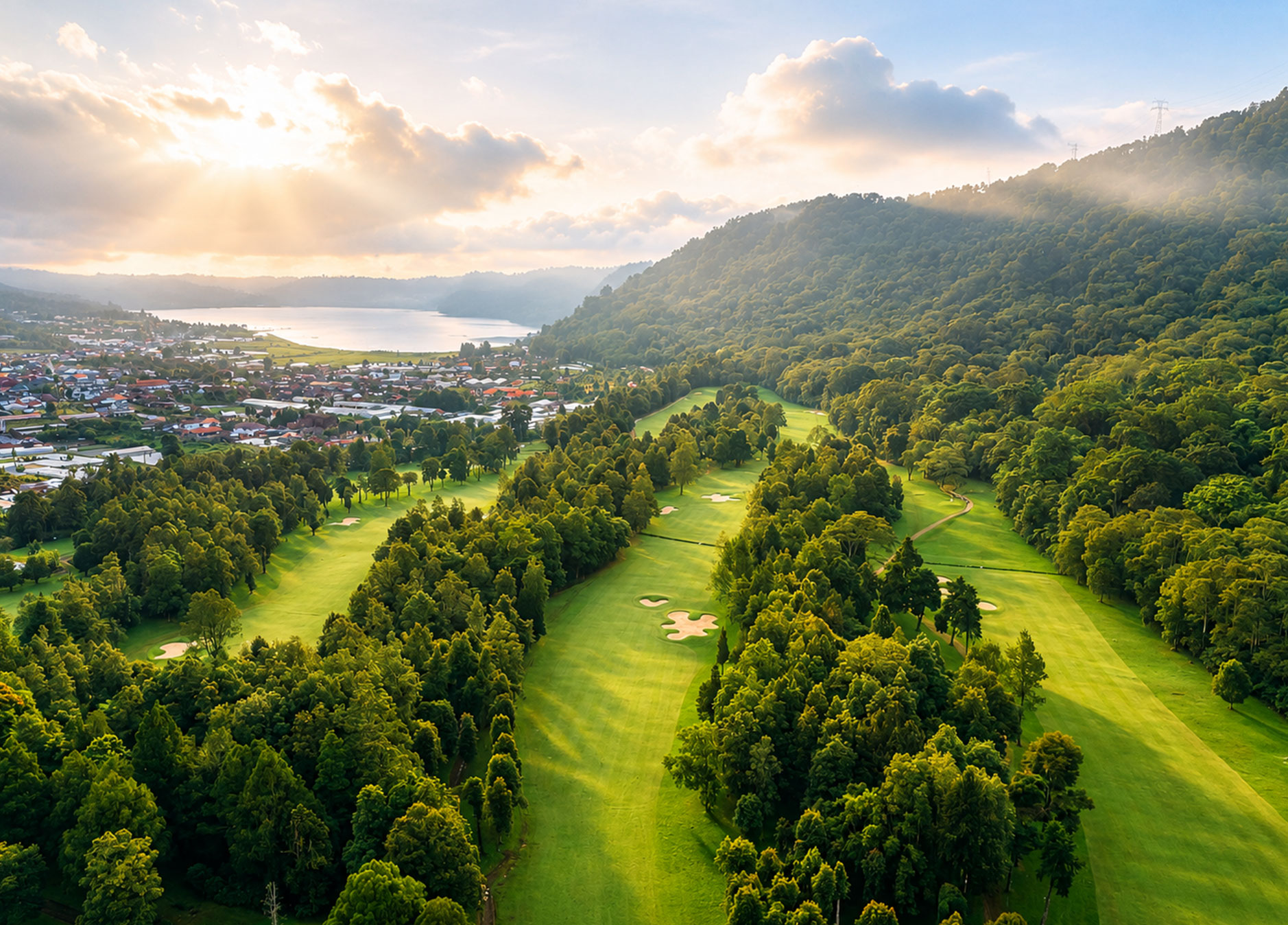
Bedugul sits in Bali’s central highlands, in the Buleleng and Tabanan regencies, at elevations around 1,100 to 1,500 meters above sea level. That altitude is the entire story of why the region feels like a different island. While Seminyak or Kuta sit at sea level with daytime temperatures regularly above 30°C and humidity to match, Bedugul typically runs between 14 and 24°C year-round, cool enough that locals from the coast drive up on weekends specifically to escape the heat. Mornings can be misty and crisp; a jacket that would be useless on the beach earns its place in a daypack here.
The drive from the airport or south Bali resort areas takes roughly two hours, longer in traffic, but the route itself is part of the experience: rice terraces give way to clove and coffee plantations, and the road climbs steadily until the temperature drop becomes noticeable through the car window.
Best Time to Visit
Bedugul can be visited year-round, but the two seasons offer genuinely different experiences.
The dry season, roughly April through October, brings more reliable clear skies and is generally considered the easier window for sightseeing, photography, and outdoor activity. Mornings are usually the clearest part of the day; cloud and mist tend to build from the lowlands by early afternoon, so plan key outdoor activities, including a round of golf or a temple visit, before midday.
The wet season, November through March, brings more cloud cover and afternoon rain, but it has its own appeal. Lake water levels rise, which is when Bedugul’s famous “floating” temple effect is at its most dramatic, and the misty, moodier atmosphere has a quality some travelers prefer over the clearer but more crowded dry months. Showers tend to arrive in the afternoon rather than settling in for the day, so a morning-first itinerary works well in either season.
Whichever season you visit in, mornings between roughly 7 and 9am consistently offer the best light, the thinnest crowds, and the calmest water on the lakes.
What to See and Do Near Handara
 Ulun Danu Beratan Temple. Bedugul’s signature sight and one of the most photographed temples in Bali. Built in the 17th century on the edge of Lake Beratan and dedicated to Dewi Danu, the goddess of water, the temple’s multi-tiered pagodas appear to float on the lake when water levels are high, an effect most pronounced during the wet season. It plays a real role in Bali’s agricultural life too: the lake sits at the head of the Subak irrigation network that has watered central Bali’s rice terraces for centuries, a system recognized by UNESCO. Arrive early, dress modestly to cover shoulders and knees, and bring small cash for the entrance fee.

Bali Botanic Garden (Kebun Raya Bali). A short drive from the temple, this is Indonesia’s largest botanical garden, spread across more than 150 hectares of highland forest. Orchid collections, a treetop canopy walk, and quiet walking trails make it an easy half-day for families or anyone wanting unhurried time outdoors after a more structured temple visit.

The Handara Gate. An intricately carved traditional Balinese split gate framed by mountains, and one of the most photographed entrances on the island, largely thanks to social media. It sits at the resort’s own entrance, so guests staying at Handara have it as a daily backdrop rather than a separate stop on the itinerary.

Lake Buyan and Lake Tamblingan. Twin crater lakes a short drive from the main temple complex, quieter and less developed than Lake Beratan. Good for light trekking, canoeing, or simply a calmer alternative to the more visited sights nearby.

Bedugul Traditional Market and local strawberry farms. Bedugul’s cool climate makes it one of Bali’s main growing regions for strawberries, vegetables, and flowers that supply restaurants across the south of the island. The market near the temple complex is a good stop for fresh produce, snacks, and a sense of the area’s everyday rhythm.

Jatiluwih Rice Terraces. A UNESCO-listed terrace system roughly 45 minutes southwest, worth the detour for travelers with a full day to spend rather than a quick stop.
Practical Notes Worth Knowing in Advance
For visitors based at Handara, the cool morning hours are the time to make the most of the outdoors, whether that means an early tee time on the course or a walk around the property before the day warms up. From there, Ulun Danu Beratan and the Botanic Garden sit close enough together to cover comfortably before lunch, with the Handara Gate, Lake Buyan, or the local market filling an afternoon at a slower pace. Travelers staying overnight have a real advantage here: the temple and lake are at their most atmospheric before the day-trippers from the south arrive, and a two-hour drive each way is no longer a constraint on the day’s plans.
A few details consistently catch first-time visitors off guard. Temple entrance fees and market purchases are typically cash only, so carrying small denominations of Indonesian rupiah is worth doing before heading out. Modest dress, covering shoulders and knees, is expected at all temple sites, and a sarong is sometimes required, though most temples have them available to borrow or rent at the entrance. There’s no public transport connecting Bedugul to the rest of the island, so a private driver or rental vehicle is the only practical way to get around, and also the easiest way to string several stops together in one day.
Bedugul rewards visitors who come prepared for a cooler, slower version of Bali, and for those staying at Handara, it’s a region that’s already on the doorstep rather than a separate trip to plan.
Read more:
→ What Lies Beyond Handara Gate Bali: Exploring Bedugul’s Iconic Landmark
→The Best Waterfalls in Bedugul-Buleleng, Bali, for Nature Lovers, Photographers, and Thrill-Seekers
→The Handara Gate: A Living Legacy at the Heart of Our Resort
→Let’s Explore North Bali